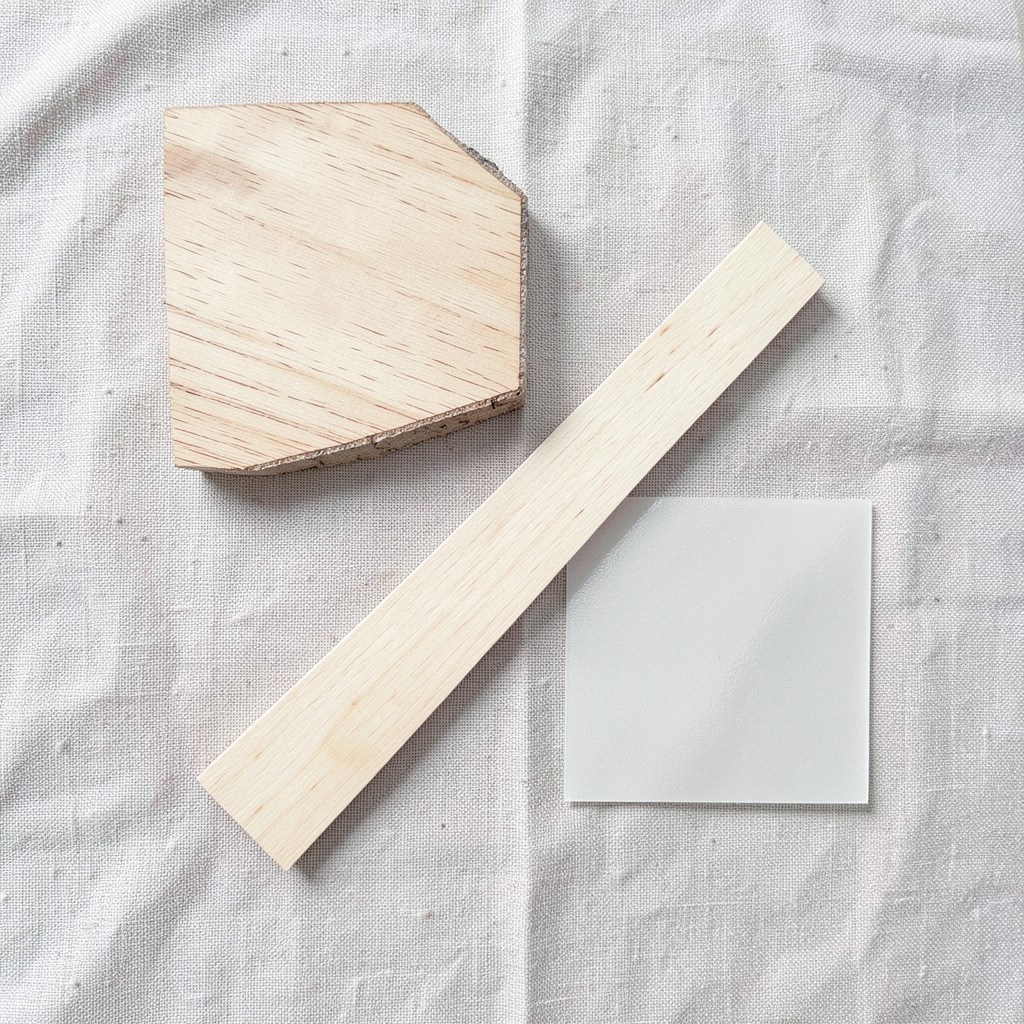
A study brief at Ridgepath usually asks for plausible material choices, not a yard-ready bill of materials. Plausible means you can explain weight, workability, and corrosion or rot risks without inventing exotic laminates you have never handled.
For wooden craft studies, students often begin with a cold-moulded or strip-plank assumption and a framed backbone. The point is to connect scantling thickness to span and to keep the centre of gravity conversation honest. Switching to a heavier timber late in term without revisiting displacement is a classic portfolio weakness.
Plywood stitch-and-glue concepts suit shorter intensives because panel development is teachable in a few evenings. Mentors still insist on chine landing logic and gunwale reinforcement notes so the concept could survive a builder’s first questions.
Composite assumptions appear in mentoring sessions when alumni pursue lighter racing daysailers. We treat fibre choice as a mass-budget decision first and a cosmetics decision second. If you cannot state a target displacement and a reason for it, material talk stays decorative.